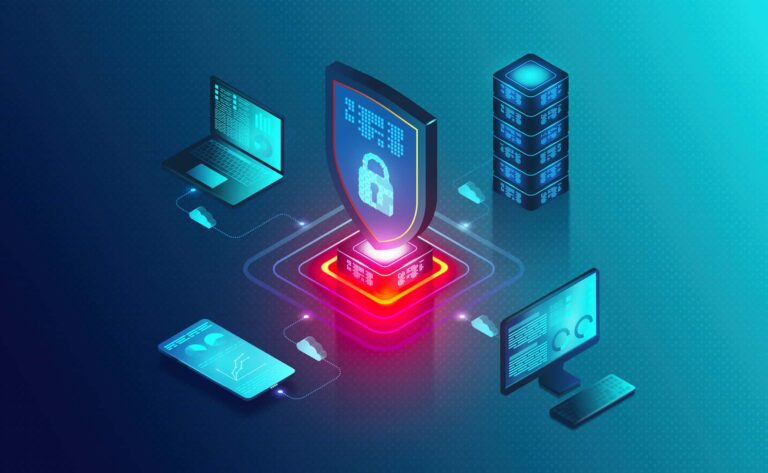
Hybrid working is the norm for many businesses. Workers use a combination of corporate and personal networks, and spend part of their working days in the office, part at remote locations. It provides flexibility and increased productivity, but also new security challenges.
The exposure of data goes up when people are using company systems from various environments. A number of places, such as public Wi-Fi, unsecured home networks, and personal devices, can be the means by which attackers gain access. In this context, safeguarding sensitive data is not just about protecting data, it is about safeguarding a company’s reputation. There must be a systematic way of building and maintaining connections. That’s where VPN infrastructure comes into play!
The Challenges of a Remote Team
Most of the systems are normally secured in a controlled network in a traditional office environment. Firewall, access control, and monitoring are all within a specific boundary. That perimeter is gone once employees start to work remotely.
The data now flows through a number of networks the company cannot fully control. Files are located in various places, files are used in applications outside secure areas, and logon attempts are attempted from different IP addresses. If not protected, sensitive information may be accessed or stolen. Checking emails or accessing internal systems can be a hazard if the connection isn’t secured.
VPN Technology’s Protective Methods for Communication
VPNs establish safe tunnels to the business infrastructure and to the user. All traffic is encrypted and passes through a controlled environment instead of passing straight over the open internet. This type of encryption makes it so that even if someone intercepts this data they cannot read or change it. It also obscures the user’s real location and network information, making it less likely to be targeted.
Organizations can centralize access control by using VPN servers. The employees first log in to the VPN, and then they can access the internal systems. This provides an extra element of security and verification, and helps to minimize risks from outside sources.
Centralized Control and Access Management
Control is one of the main benefits of a VPN infrastructure. IT staff can set up access to different systems, when and where they can be accessed. Access may be denied by user role, device type or geographical location. In the case of a compromised account or lost device, access to the account can be suspended immediately. When users are not connected to a secure gateway, this type of control is difficult to obtain when they connect directly to cloud platforms or other internal tools.
VPN solutions provide logging and monitoring capabilities, too. All connection attempts, whether successful or unsuccessful, can be recorded and analysed. This enables detection of suspicious activity at an early stage and assists compliance processes.
The Importance of Infrastructure to Performance and Reliability
Just security is not sufficient. Performance is as important in a hybrid work place. Staff require quick and reliable access to the tools they use on a daily basis. That’s why many organisations use VPNs that are dedicated to specific use, such as having a dedicated server for the VPN system. Dedicated environments are more consistent in performance as resources are not shared with other users. This can help to minimize latency and maintain consistent connections even during periods of high traffic.
Smooth infrastructure also guarantees that disruptions are avoided. Slow connections or drop outs can cause employees to seek out other means for obtaining access to systems, creating new risks.
Ensuring Long-Term Security Strategies are Supported
VPN solutions are not meant to be a short-term solution. These are part of a larger security strategy that involves endpoint security, identity management, and network security monitoring. For companies that continue to offer hybrid working arrangements, secure access will be top priority.
VPN infrastructure provides consistent and controlled connectivity for employees, no matter where they are working. It also allows for easier scale up. New users added without impacting the overall security model and policies can be modified centrally as requirements change.
Flexibility is the name of the game with hybrid work, and so also must be the approach to security. Sensitive data is no longer stored in a single place, and ensuring its security calls for consideration of the way connections are managed.
The utilization of VPN servers and the construction of these servers on sturdy infrastructure can generate a secure access layer that guards users and data. This, in conjunction with robust policies and monitoring, can help minimise risk and also facilitate the working of modern teams.