Introducing
The rapid evolution of mobile technology has transformed the way that people communicate, work, and get information. From 2G, which allows voice calls, to 4G, enabling streaming and mobile internet, each generation has brought about significant changes. Today, 5G technology is the next big technological leap that will redefine communication and connectivity at a speed that is unmatched in reliability.
Describe 5G Technology
5G, also known as the fifth generation of wireless technology, is the most recent standard for mobile networks. It is designed to offer super-fast data speeds, low delay, and the ability to connect an enormous number of devices at once. Contrary to previous generations of smartphones, 5G isn’t just about speedier smartphones; it is designed to provide a fully connected digital ecosystem.
Real-Time Communication and Quicker Data Speeds
The most obvious effects of 5G are its speedy connectivity. With speeds much higher than the 4G network, 5G users are able to download massive files, stream high-quality videos, and join video calls with no buffering. This makes it easier to use real-time communications, particularly when it comes to remote-based work and virtual meetings.
Ultra-Low Latency for Smooth Communication
The term “latency” refers to the time between receiving and sending data. 5G significantly reduces the time between sending and receiving data and makes communication almost immediate. This is vital for online gaming, virtual reality (VR), as well as Augmented Reality (AR) and real-time collaborative tools, where even a small delay could affect your experience.
Improved Smart Device Connectivity
5G can support a significantly greater number of connected devices per network area. This technology is a major driver in the development of the Internet of Things (IoT), which allows smart homes, smart devices, wearable gadgets, connected vehicles, and industrial sensors to function effectively. The improved connectivity will ensure a stable connection between devices, without congestion on networks.
Effects on Industries and Businesses
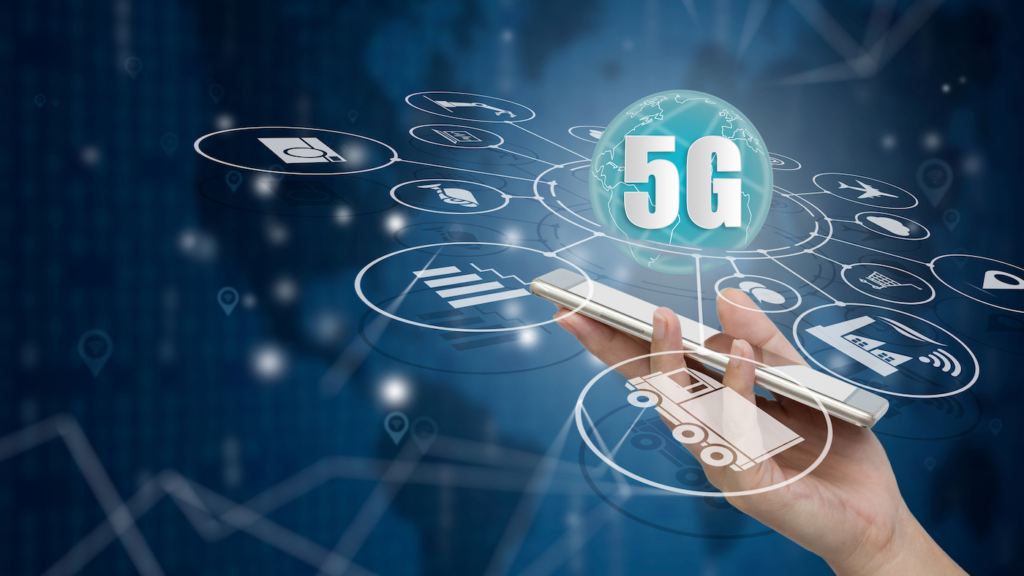
Business owners, 5G unlocks new opportunities in cloud computing, automation, and digital transformation. Industries like manufacturing, healthcare, logistics, and entertainment profit from faster data transmission and monitoring in real-time. For instance, remote diagnostics and intelligent factories live streaming in ultra-high definition are more reliable and practical.
Better Mobile Experiences
Customers experience an enhanced mobile experience with 5G, which includes clearer voice calls, quicker app response times, and continuous streaming. As more cities have 5G networks in place, users will have reliable connectivity in the most crowded areas, such as airports, stadiums, and urban areas.
Difficulties and Points to Remember
Although it has its benefits, 5G technology has its own issues, like costs for infrastructure, in addition to spectrum availability and compatibility with devices. Furthermore, expanding coverage to remote and rural regions is a major problem. But continuous technology advancements and investments are addressing these challenges.
5G Communication’s Future
5G is much more than just an upgrade. It is the foundation for future technology. As networks grow, 5G will enable innovations such as autonomous vehicles, smart cities, and the ability to experience immersive experiences in digital form. The impact it has on connectivity and communication will continue to increase as it will change the way people, as well as businesses, interact with our digital environment.
Conclusion
The impact of 5G tech on connectivity and communication is significant. Through speedier speeds, less latency, and secure connections, 5G is changing the way that people communicate, collaborate, and create. As the adoption rate increases, 5G will play a major part in creating an efficient, connected, and smart global network.